
Reinventing Sustainability
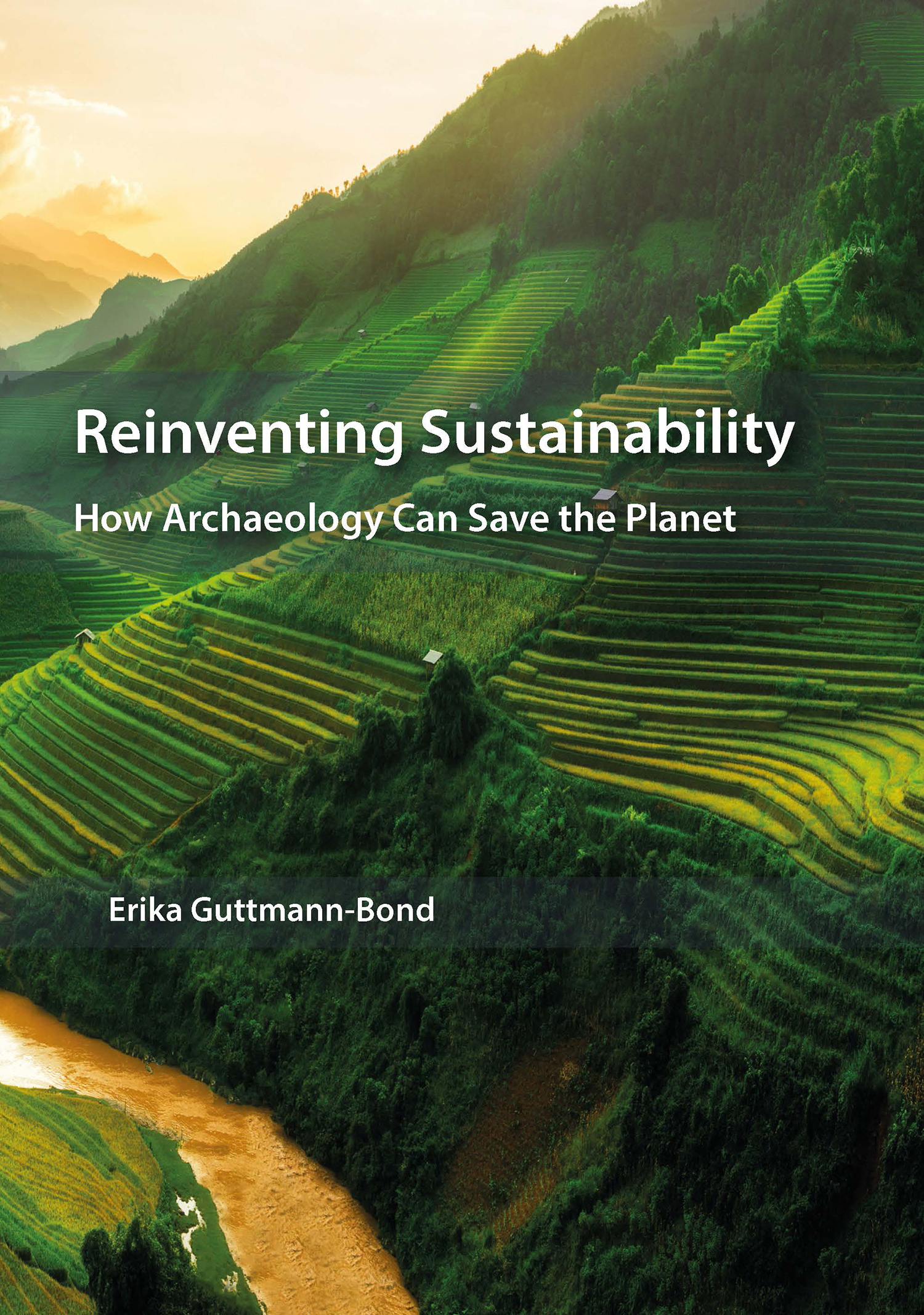
Reinventing Sustainability
How Archaeology can Save the Planet
Author(s):
Erika Guttmann-Bond
Publication Date: 16 August, 2018
Available in all formats
Publisher: Oxbow Books
ISBN: 9781785709937
ISBN: 9781785709937
Price: INR 1356.99
Description
Table of contents
This book is about sustainable agriculture and architecture in the past, and the engineering works that supported them, but it also looks to the future. Ancient technologies are what engineers define as ‘intermediate’, which means that they are often simple, low in cost and they depend on local materials. Significantly, they don’t require fossil fuels. There is a lot that we in the West can learn from the past and from developing countries where people still practice traditional agriculture, and there is now broad agreement among many governments, non-government organisations, engineers and agronomists, as well as the United Nations, that intermediate technologies are often the most appropriate way forward in developing countries. The New Green Revolution is looking to traditional knowledge to solve problems of decreasing yields and environmental impoverishment, rather than to technology that is dependent on the diminishing resource of fossil fuels.
Description
This book is about sustainable agriculture and architecture in the past, and the engineering works that supported them, but it also looks to the future. Ancient technologies are what engineers define as ‘intermediate’, which means that they are often simple, low in cost and they depend on local materials. Significantly, they don’t require fossil fuels. There is a lot that we in the West can learn from the past and from developing countries where people still practice traditional agriculture, and there is now broad agreement among many governments, non-government organisations, engineers and agronomists, as well as the United Nations, that intermediate technologies are often the most appropriate way forward in developing countries. The New Green Revolution is looking to traditional knowledge to solve problems of decreasing yields and environmental impoverishment, rather than to technology that is dependent on the diminishing resource of fossil fuels.
Table of contents
- Cover
- Title
- Copyright
- Dedication
- Contents
- Abbreviations
- Acknowledgements
- Foreword
- 1. Learning from the past
- 2. Wetlands and wetland agriculture
- 3. Farming the desert
- 4. Food security
- 5. Saving the soil
- 6. Vernacular architecture and sustainable cities
- 7. The Tao of environmental management
- Bibliography